

Quick answer
Yes, sharks inhabit Nusa Penida waters year-round, including the Manta Point dive site. Blacktip reef sharks and whitetip reef sharks are the most common species, typically measuring one to two meters in length. These sharks feed on small fish near the reef and generally ignore snorkelers. Larger pelagic species like grey reef sharks occasionally pass through deeper channels but rarely approach the shallows where manta rays congregate.
Blacktip reef sharks patrol the coral slopes at Manta Point most mornings, their dorsal fins slicing the surface before they dive to hunt damselfish and sergeant majors sheltering in staghorn thickets. The sharks you encounter in Nusa Penida marine protected areas are resident reef species, not the oceanic hunters that dominate open-water headlines. Blacktips rarely exceed 1.6 meters and prefer hunting along reef edges where current brings baitfish into ambush zones. Whitetip reef sharks rest in reef caves during the day and emerge at dusk, making morning snorkel sessions the safer window for nervous swimmers. Reef shark behavior at Manta Point follows predictable patterns tied to tide and current. Incoming tides push nutrient-rich water through the channel, attracting schools of fusiliers and triggering feeding activity among resident sharks. The sharks circle the cleaning stations where manta rays hover, picking off fish disturbed by the larger animals. This ecological relationship explains why shark sightings in Nusa Penida correlate with manta ray presence—the predators follow the food chain, not the divers. Understanding shark ecology transforms anxiety into informed observation. Reef sharks detect electrical fields generated by muscle contractions, which means erratic splashing and panicked kicks broadcast distress signals that trigger investigative approaches. Snorkelers who maintain smooth fin strokes and neutral buoyancy become part of the reef's visual background. The 100,000 IDR marine protected area permit funds patrol boats that enforce no-feeding regulations, preventing the food-association behavior that creates aggressive shark encounters at poorly managed dive sites elsewhere in Southeast Asia. Manta Point's shark population serves as an indicator species for reef health. Healthy reefs support apex predators, and the consistent presence of blacktips and whitetips signals that Nusa Penida's conservation efforts are working. Snorkelers who ask are there sharks in Nusa Penida are really asking whether the ecosystem functions as it should—and the answer is yes, with all the caution and respect that functional marine environments demand.
“The sharks you encounter at Manta Point are resident reef species, not the oceanic hunters that dominate open-water headlines.”
Are There Sharks in Nusa Penida: Clarifying Marine Life at Manta Point
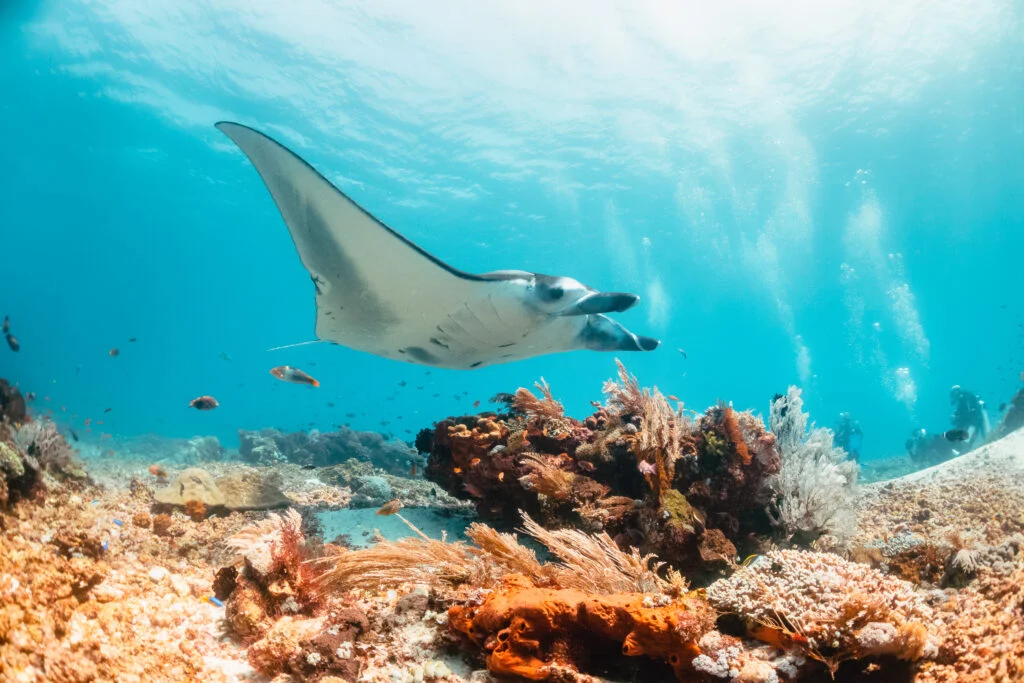
Misconceptions about shark presence in Nusa Penida often stem from the region's reputation as a diverse marine sanctuary. While various species inhabit these waters, the focus of the Manta Point site is exclusively on its resident manta ray populations.
MythManta Point is dangerous because of aggressive sharks
FactManta Point is a protected marine sanctuary where shark encounters are rare and involve docile reef species. The primary marine life observed here are manta rays, which are harmless to snorkelers and divers.
MythYou will be attacked by sharks while snorkeling here
FactShark attacks on snorkelers at Manta Point are not recorded. The sharks found in this region are typically small reef sharks that avoid human interaction.
MythThe area is infested with man-eating sharks
FactNusa Penida's waters host reef sharks that play a vital role in the ecosystem. These species are shy and pose no threat to visitors observing them from a distance.
Opening Hours for Manta Point Trips
Manta Point is open for visitors daily to accommodate snorkeling and diving trips.
| Monday | 06:00–19:00 | |
|---|---|---|
| Tuesday | 06:00–19:00 | |
| Wednesday | 06:00–19:00 | |
| Thursday | 06:00–19:00 | |
| Friday | 06:00–19:00 | |
| Saturday | 06:00–19:00 | |
| Sunday | 06:00–19:00 |
Getting There: Navigating to Manta Point for Shark and Manta Spotting
Manta Point is located off the southwest coast of Nusa Penida and is accessible exclusively by boat. Most visitors reach this site by joining organized snorkeling or diving excursions departing from major hubs such as Toyapakeh or Sampalan harbor.
Public or private tour boat from Toyapakeh
Private charter from Sanur, Bali
Checklist for Your Nusa Penida Manta Point Visit
Prepare for your Manta Point snorkel with these practical steps.
-
Book your snorkel tour in advance — Operators fill quickly during peak season and early slots offer calmer conditions.
-
Confirm your marine permit is included — The 100,000 IDR Marine Protected Area fee is required per person for water entry.
-
Pack reef-safe sunscreen and rashguard — Chemical sunscreens damage the coral ecosystem that mantas depend on.
-
Bring cash for the permit fee — Most operators collect the 100,000 IDR on-site and card machines are unreliable.
-
Arrange early pickup from your accommodation — Aim to reach the departure point by 06:00 to catch the best morning window.
-
Check weather and sea conditions beforehand — Rough seas can close Manta Point with little notice, especially during monsoon months.
Check availability
Frequently asked questions about are there sharks in nusa penida
Everything you need to know about are there sharks in nusa penida